

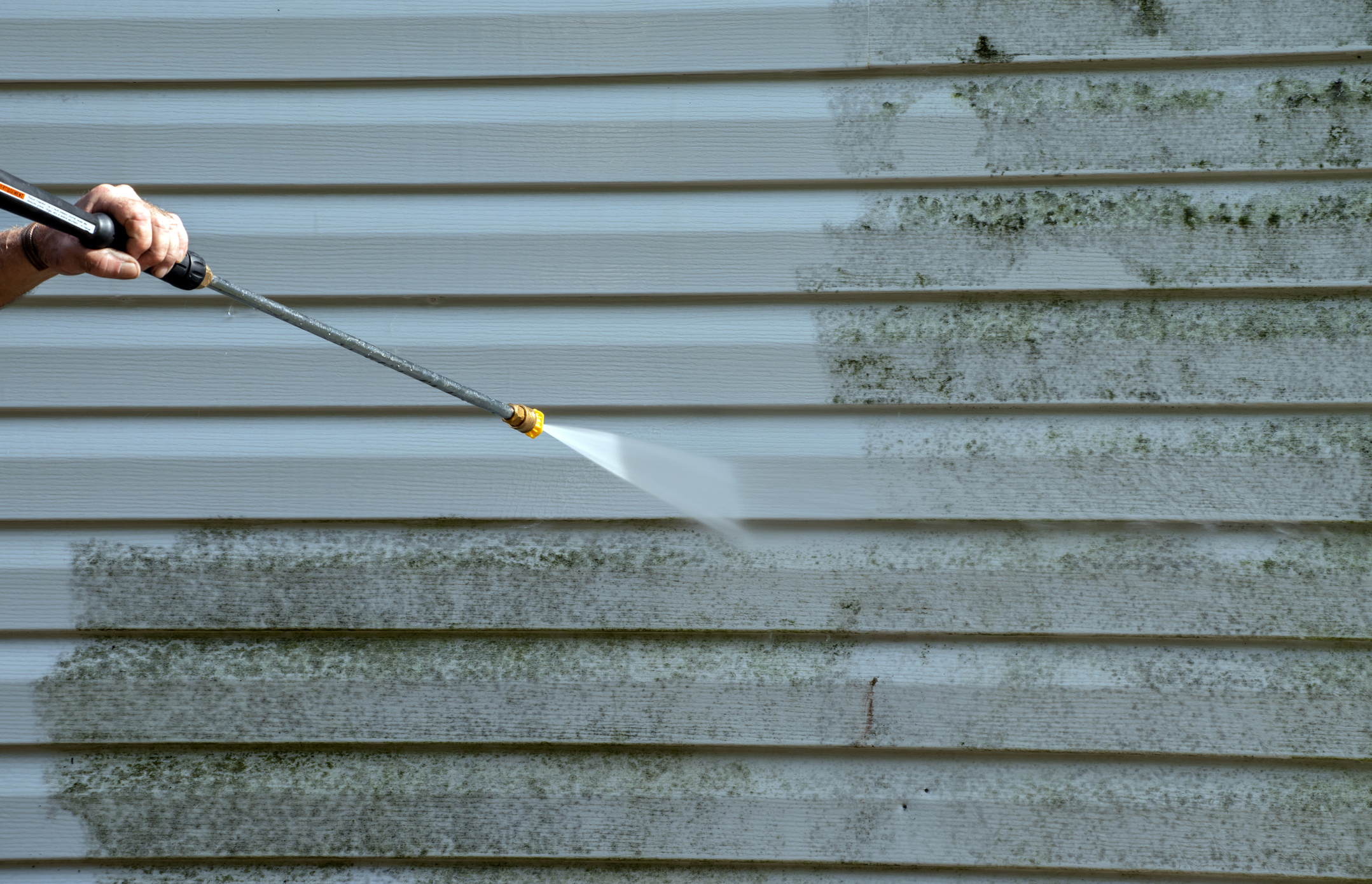
Living near the ocean on the Sunshine Coast is one of life's genuine pleasures. The downside that many homeowners discover gradually is what that coastal environment does to a home's exterior over time. Salt spray, elevated humidity, and the particular biology of a subtropical coastal climate combine to accelerate surface deterioration significantly compared to inland properties.
The Salt Spray Problem
Salt is hygroscopic, it attracts and holds moisture. When salt deposits accumulate on exterior surfaces (walls, window frames, roofing, gutters), they draw moisture to those surfaces even on days without rain, keeping them in a near-constant state of dampness. This has several consequences: it significantly accelerates mould and algae growth, it promotes oxidation and corrosion on metal surfaces and fixtures, and it degrades paint films over time by disrupting adhesion.
The severity of salt exposure varies considerably even within the same suburb. Properties directly facing the ocean or on headlands are exposed to significantly more salt than those a few streets back. On a windy day, visible sea spray can be detected up to 2km inland in some coastal areas of the Sunshine Coast.
What Salt Does to Different Surfaces
Painted surfaces exposed to ongoing salt deposition gradually lose gloss and begin to chalk as the paint binder breaks down. The chalky powder you can wipe off an older painted wall on a coastal property is largely degraded paint film caused by UV exposure combined with the salt-moisture cycle. Weatherboard cladding, timber or fibre cement, absorbs salt into the surface layer and retains moisture, accelerating both paint degradation and the growth of organic matter.
Metal roofing (Colorbond, Zincalume) and metal guttering are affected by salt corrosion. While modern coatings are specifically designed to resist this, they still benefit from regular washing to remove accumulated salt before it can work under cut edges or scratches. Window frames, particularly powder-coated aluminium, can develop white oxidation deposits from salt accumulation if not regularly cleaned.
How Often Should Coastal Properties Be Cleaned?
For properties within 500 metres of the ocean, beachfront or first row, we recommend house washing every 12 months. Properties between 500m and 2km may find 12-18 months appropriate. At these distances, the combination of elevated humidity and residual salt exposure still accelerates growth significantly compared to hinterland properties. Window frames and metal fixtures benefit from more frequent rinsing, quarterly with a hose or monthly for very exposed positions.
The Importance of Using the Right Cleaning Method
For coastal properties, soft washing is particularly important. The salt that has accumulated in and on surface materials needs to be treated chemically, not just blasted off with pressure. Professional soft washing solutions penetrate into the surface layer, releasing salt deposits and killing biological growth, producing results that last significantly longer than pressure washing alone on coastal properties.
Concerned about what the coastal environment is doing to your property? Get an instant quote or call us on 0483 822 051.